Race Blueprint
London Marathon
Renowned for its historic course, world-record crowd support, and exceptionally fast times, the London Marathon stands as one of the world’s most iconic World Marathon Majors. Learn how to prepare with confidence and evaluate whether this race is the ideal fit for your next marathon goal.

At a Glance
COACH’S INSIGHT
Fast, crowded courses demand absolute discipline.
London’s reputation as a flat, hugely supportive course inspires thousands to aim for personal bests, but the two biggest traps are blowing your target pace early on adrenaline and hitting the wall from delayed fueling.
The athletes who succeed in London are rarely the ones chasing seconds in the dense early miles. The start features massive fields merging from three separate points across Greenwich and Blackheath Common, making early pace management essential.
The flat profile removes hill-climbing challenges, but it also exposes poor pacing. It is easy to get carried away in the opening miles through roaring crowds and pay for it dearly in the final stretches along the Embankment.
If you are looking for a marathon that rewards patient early positioning, proactive fueling, and disciplined effort, London offers one of the ultimate race-day experiences in world running.
COURSE PROFILE
Every marathon has its own character. London is defined by momentum and iconic history. Flat paved streets, winding river sections, and unprecedented crowd density let runners settle into a powerful rhythm once they work through the early congestion.
For many runners, London serves as their ultimate bucket-list World Marathon Major, uniting elite world-record holders, inspiring charity runners, and club athletes at the same start line.
On paper, London is exceptionally flat with a total climb of just 40.2 meters. However, maintaining a steady effort across 42.2 kilometres requires focused energy management through high-congestion zones. Success depends on aerobic fitness, pacing discipline, and an evidence-based carbohydrate ingestion timeline that begins long before your legs feel heavy.
Typical course characteristics
- Flat, fully paved road course
- High-density field merging early from three start lines
- Fast running surface built for speed
- Minimal elevation change with slight net downhill descent
- World-record, roaring crowd support from start to finish
ROUTE & LANDMARKS
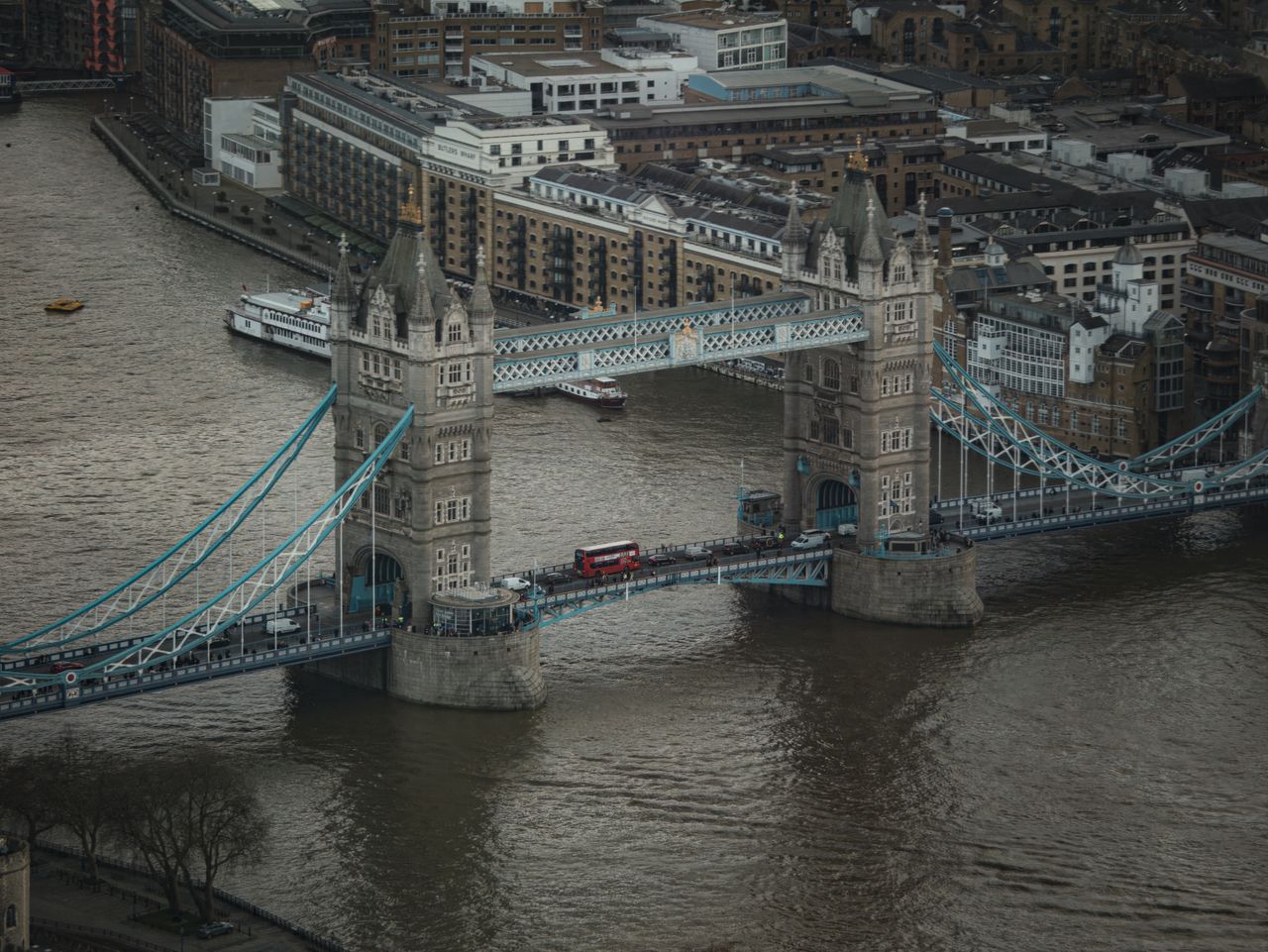
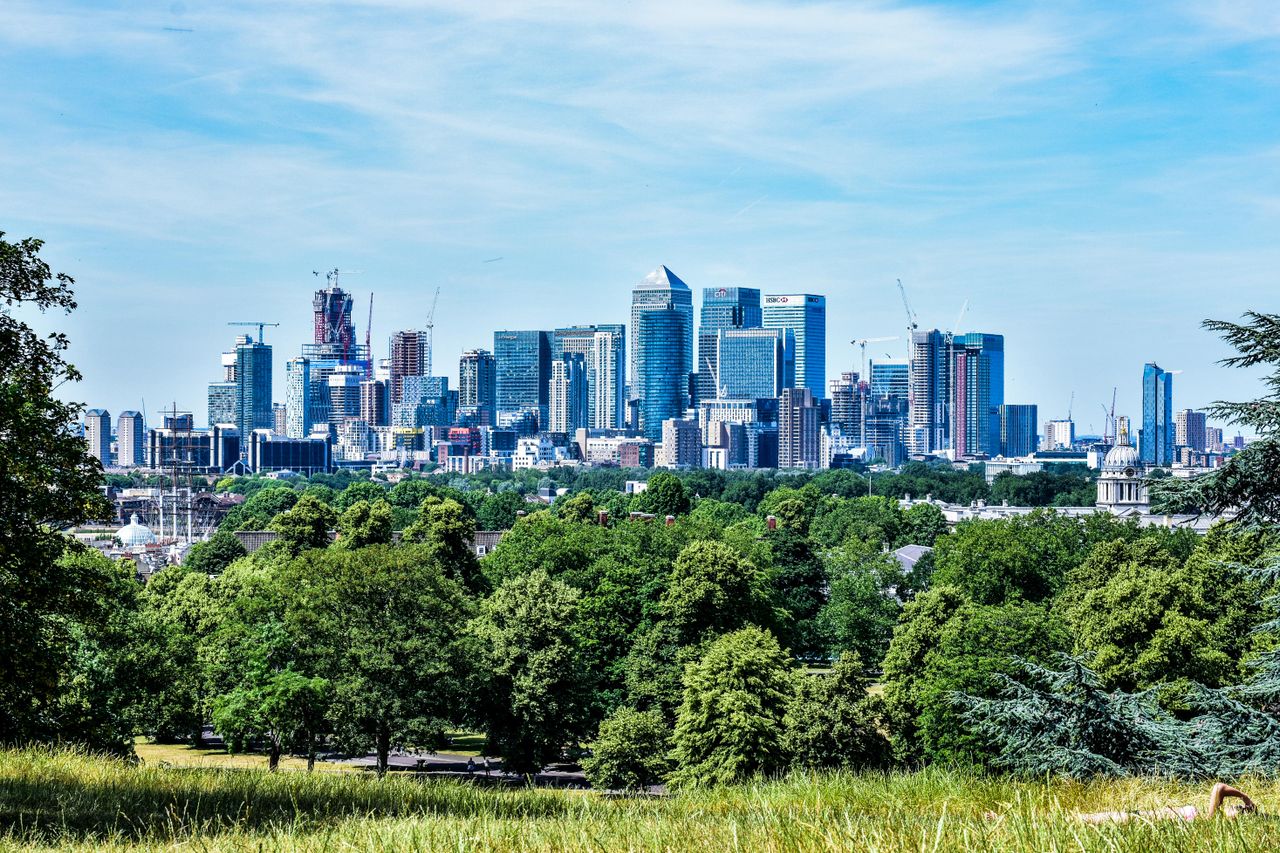
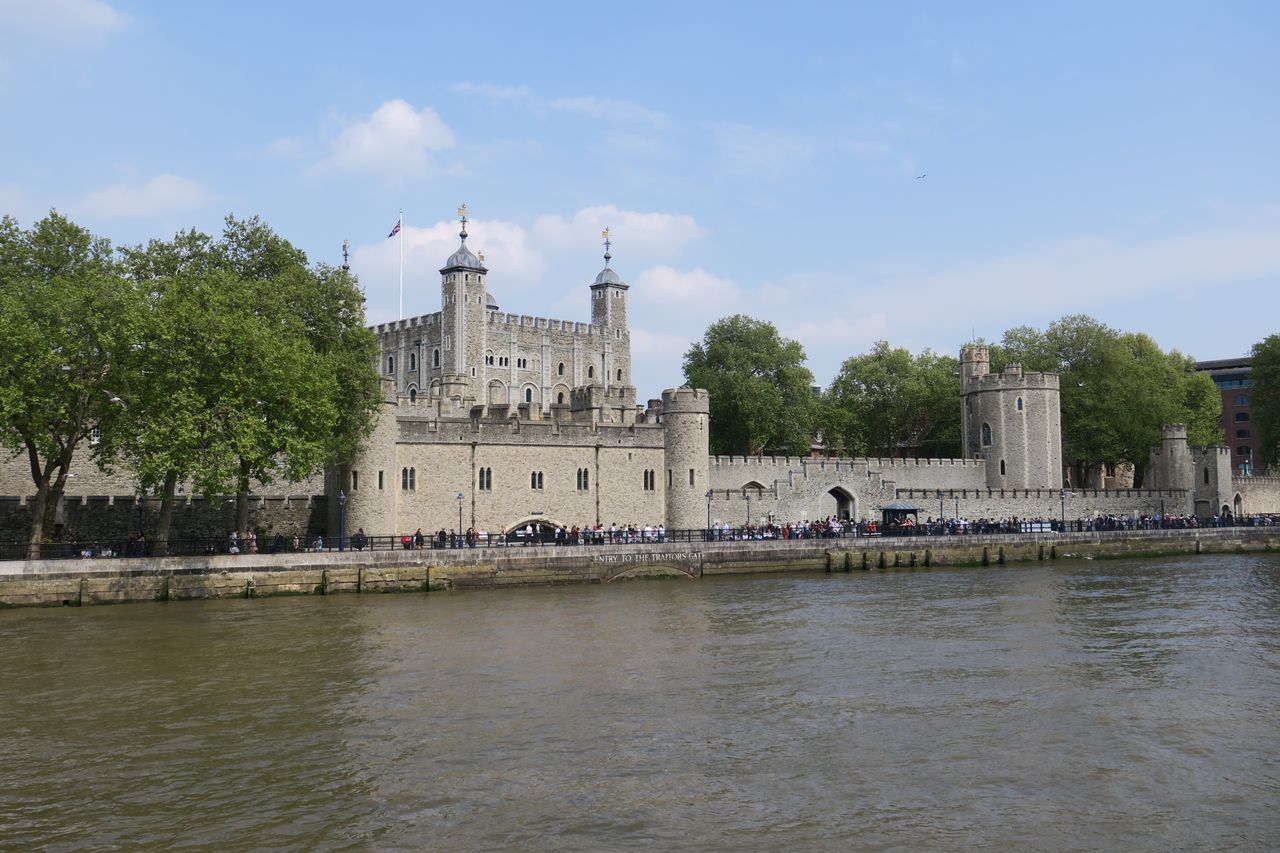
London’s route weaves through the heart of the capital, passing world-famous landmarks and combining centuries of history with vibrant city energy.
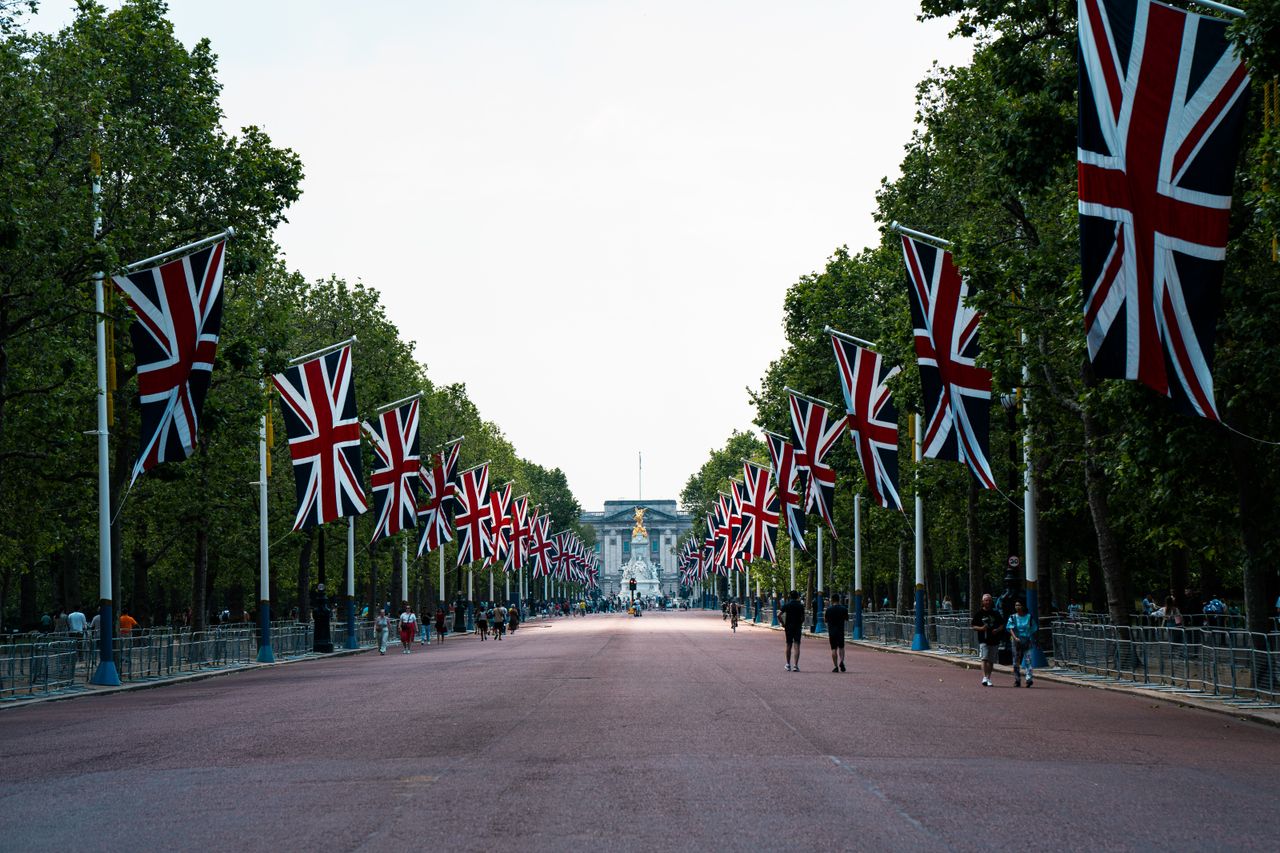
The finish on The Mall with Buckingham Palace in the background is widely regarded as one of the grandest finish lines in global sport
Highlights include:



PLANNING YOUR SEASON
The London Marathon takes place in mid-to-late spring, making it the ideal goal to anchor a winter preparation cycle.
Most athletes begin their marathon-specific build-up 16–20 weeks prior to race day. Training through the winter months allows you to build a deep aerobic base, with target half marathons in late winter or early spring serving as ideal dress rehearsals for pacing and nutrition strategies.
Planning for recovery afterwards is equally vital. A landmark race like London should celebrate your consistency and serve as a stepping stone in your long-term athletic development.
RACE INFORMATION
This section is reviewed each season and should always be confirmed with the official race organisers.
FAQ
READY TO PLAN YOUR NEXT MARATHON?
Whether you hold a coveted place for the history-making 2027 weekend, are chasing a breakthrough personal best, or are rebuilding to run pain-free, your journey deserves more than a generic template.